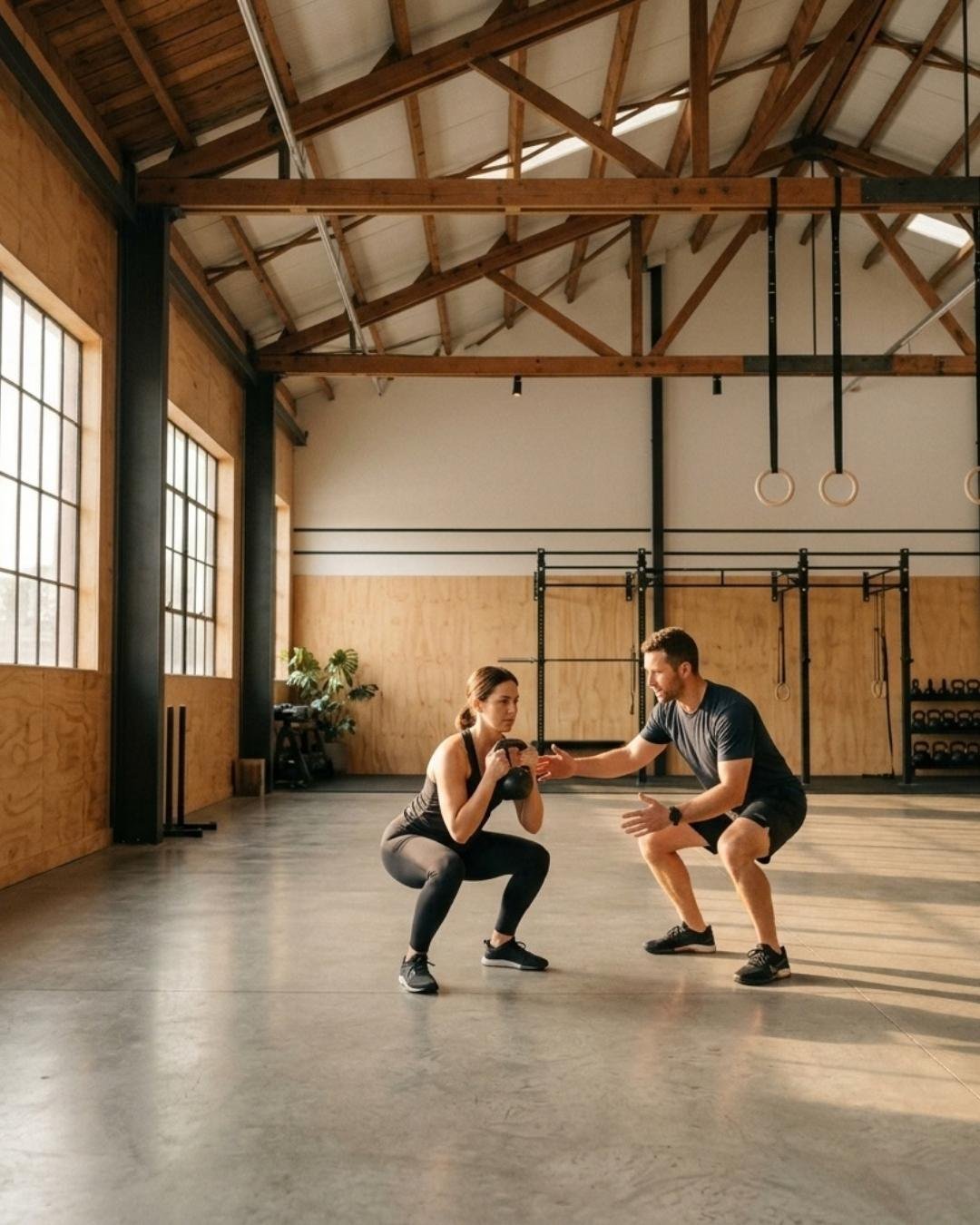
A capacity per class
A box does not sell hours, it sells places. Twelve per class, and the thirteenth person has to be able to wait for one to free up — without messaging you.
Classes at fixed times, a capacity per slot, monthly memberships, and a last-minute drop-out that has to refill by itself.
Twelve places at the 6.30pm WOD, six at Saturday weightlifting. The slot closes by itself when full, and reopens if someone cancels.
The first person on the list is notified as soon as a place frees up, with a deadline to confirm. That is what turns a drop-out into an attendance.
Unlimited, three times a week, a ten-class pass: each plan has its own booking rules, and the payment goes out without you thinking about it.
The workout of the day on members' phones. That is what decides whether they come tomorrow, and what fills the quiet classes.
A capacity per class
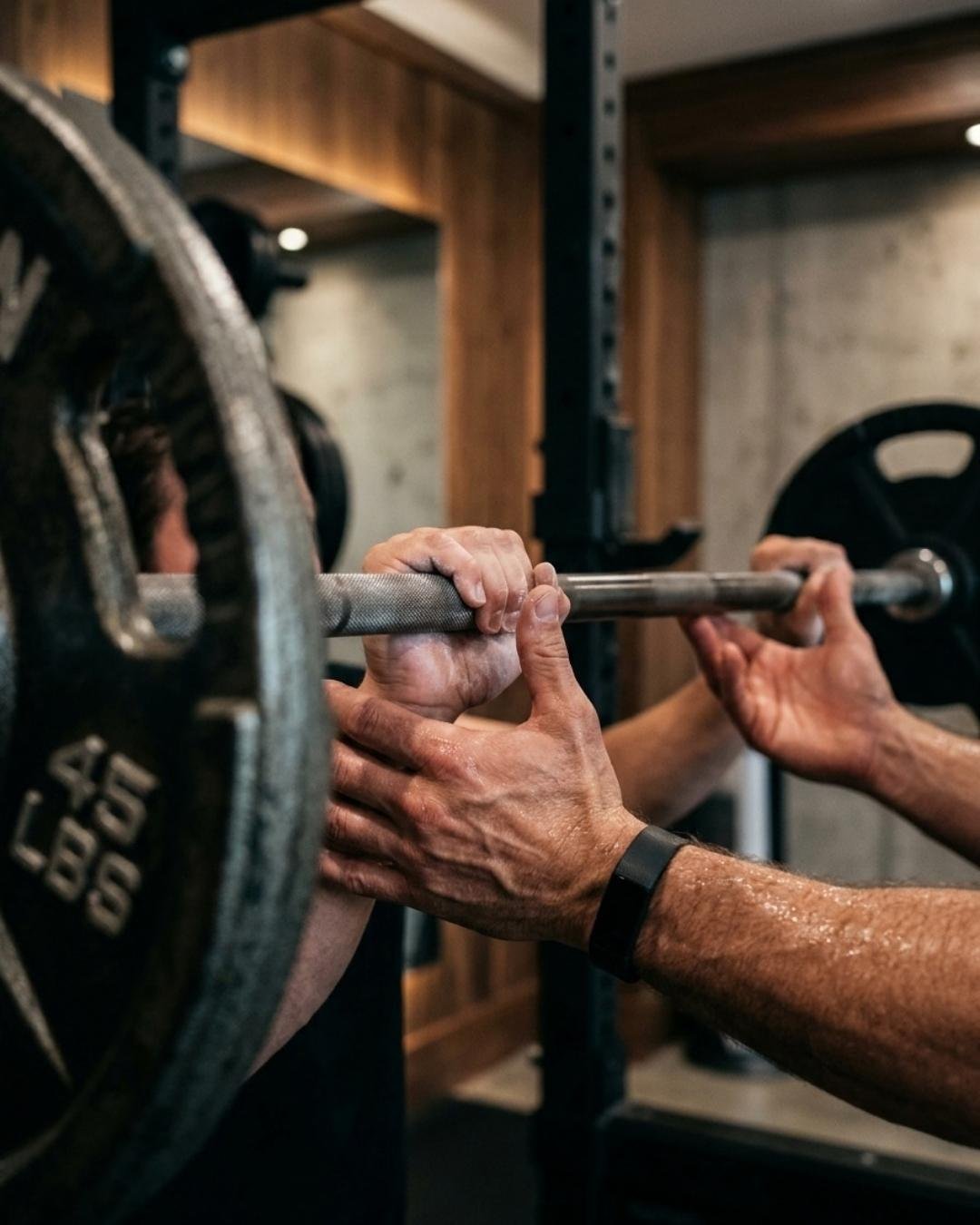
A waiting list that triggers itself

The monthly membership, collected automatically
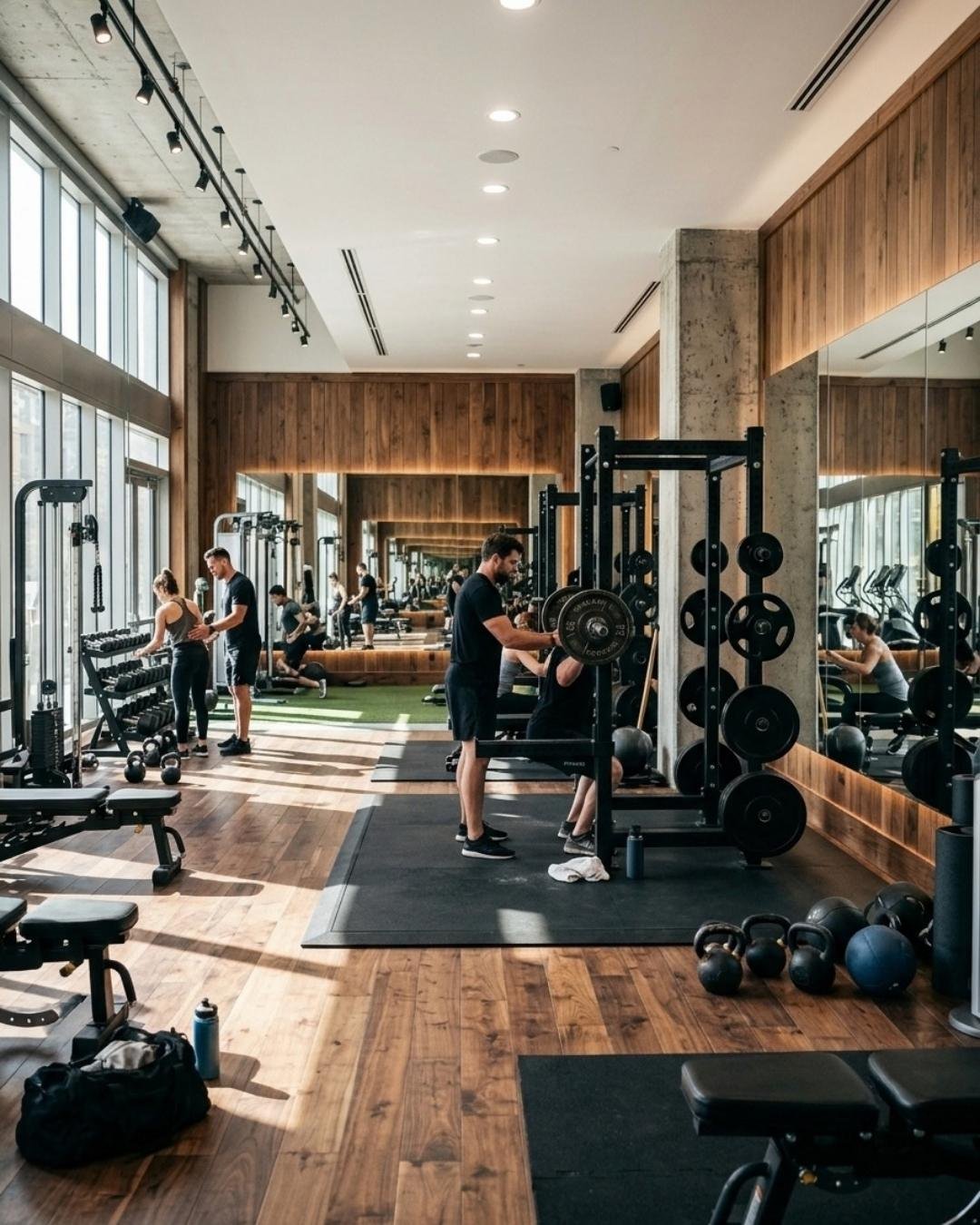
The WOD published the night before
The searches are geographic and cautious: "CrossFit" followed by the town, "CrossFit box for beginners", "CrossFit trial". The person searching has often never tried it and fears being the weakest in the room.
So your page has to defuse that in its first lines: what a taster session is, what gets scaled for a beginner, and the fact that nobody lifts a barbell on day one.
Show your timetable in plain text too. It is the second thing people look for, and a box whose hours sit inside an image cannot be found on Google.
Affiliation. The name “CrossFit” is a registered trademark: only an affiliated box can use it as a brand. If you're not, talk about cross-training — it's a legal issue, not a style one.
Coaches. Supervising for pay requires a professional card. Brand certifications are not a substitute.
The gauge. It is not just a comfort: it is a safety element that your insurance may ask you to demonstrate.
A visitor lands on your site with one very simple question: is this place for me? Everything else comes afterwards. Building a box's page therefore starts with a ruthless sort: what reassures moves to the top, what flatters moves down. For a coach, building a website is not a style exercise, it is a tool that fills sessions.
Then comes the look. Your visual identity rests on very little: a logo, two colours, a typeface that reads on a phone, and photos taken in your own box. A brand style held to consistently beats a busy design, and one picture of your real floor convinces more than any stock library. We build every site bespoke, which lets you make that identity your own instead of fitting into a template.
Three intentions cross over on this kind of search. There is the person discovering it all who wants to understand what a class is. There is the one comparing two gyms on timetables and services. And there is the one who wants to book now, often in the evening, often from bed. Your potential members are not alike, but nearly all of them type a short query followed by a town name.
Your local visibility then rests on three supports: a complete, up-to-date business listing, identical information everywhere (name, address, phone), and pages that each answer one question. The rest is standard SEO: clear titles, real text, fast pages. We go through that mechanism in our guide to search optimisation for a coach's website, and every site we deliver is structured in that spirit from the day it goes live.
The words change over the years: first it was fitness, then cross-training, then functional training. Plenty of people are simply looking to get back in shape and know none of those terms. Others arrive with a precise goal: conditioning for a sport, coming back from injury, technical work on a movement. Write those intentions the way people say them, and give a page of its own to your specialist sessions, the way a site dedicated to weightlifting and powerlifting does for the barbell.
Between discovering you and the first session there is a journey. The more steps it has, the more people it loses. The best box page is therefore the one where you go from the timetable to a booked session without leaving the site. Our booking system slots straight into your pages: online schedule, sessions bookable around the clock, limited places per class, waiting list and automatic reminders.
Payment plugs in at the same point. With online payment through Stripe, the place is paid for at the moment of booking, which makes the no-shows disappear. The emails then go out on their own: confirmation, reminder the day before, follow-up on a taster that went nowhere. You no longer chase anyone by hand, and your sign-up experience finally looks like a digital platform's.
A coach's website is judged over twelve months, not on the day it is delivered. It is the content published afterwards that brings in visitors you would never have crossed paths with. Keeping a blog going will let you occupy the searches around your practice, and give your members something to share on social media. You can run all of it from your dashboard, without going through a web agency for every comma.
If you would rather keep control of the text, you can, and we set the structure up so that adding an article breaks nothing. And because the line between a box and a conventional gym is a thin one, the same foundation also serves weight training coach websites as much as clubs that mix group classes with one-to-one work.
Do you coach in a box? Building your site with us means getting in one go what most professionals piece together painfully: a bespoke website designed and search-optimised for your activity, a connected schedule, booking with capacity limits and a waiting list, Stripe payment, and the automatic emails that go with it. A website for a self-employed personal trainer and a box's website do not need the same settings, and we start from how you actually work rather than from a template.
Behind the site you get bespoke software and an iOS and Android mobile app under your own brand, which your members install like any other app. Whether you work in a gym, in a club or as a personal coach to a handful of athletes, the aim stays the same: full sessions, new clients who sign up on their own, and far less admin on a Sunday evening. Our expertise is sport, not shop windows.
Start with the simplest thing: let us look at your classes, your packages and your timetable together, then see what that gives online. You get a 14-day free trial, with no card required. You can talk to an expert or start your free 14-day trial.
Yes, each slot has its own. Twelve for the WOD, six for weightlifting, four for one-to-one coaching.
Yes, as soon as a place frees up, with a confirmation window before moving to the next person.
The plan carries its own rule: the member cannot book a fourth time that week, and the counter resets by itself.
Yes, published from the dashboard and visible to members on their phones.
Fewer than people think, but each one needs a job. In practice: a home page, a taster page for the first class, the timetable, the packages, the team and contact. You then add one page per specialist session if you run several, and the blog for later.
Yes. The session is booked on a slot like any other class, and payment happens at the moment of booking through Stripe. You can also leave it free and keep the automatic reminder, which is often what decides whether someone turns up.
Yes. Teaching sport for payment in France requires a recognised qualification and a valid professional licence. If you take in under-18s, a background check applies to the coaching staff. Also arrange insurance suited to your activity and check what your federation or your insurer asks for in the way of a medical certificate.
Yes. You can drop our booking widget onto an existing site and keep your current site exactly as it is. Your members book from your pages, and you get the schedule, the capacity limits, the waiting list and the payments behind them.