Online booking for classes
A site live in 48 hours, with Pilates class booking built in: a capacity per piece of equipment, class cards that count themselves down, and payment taken at the moment of booking. No developer, no plugin to maintain.
A Pilates studio site is not a brochure: it is a booking diary. It has to show the class timetable, know how many machines are free, take payment for a class card and rank for "Pilates studio" followed by the name of your town. Here are the three building blocks your site has to cover.
The week's timetable sits on the site, not in a PDF: the student picks their slot, pays and gets their confirmation. Booking stays open in the evening and on Sundays, when your studio is shut and the decision is being made.
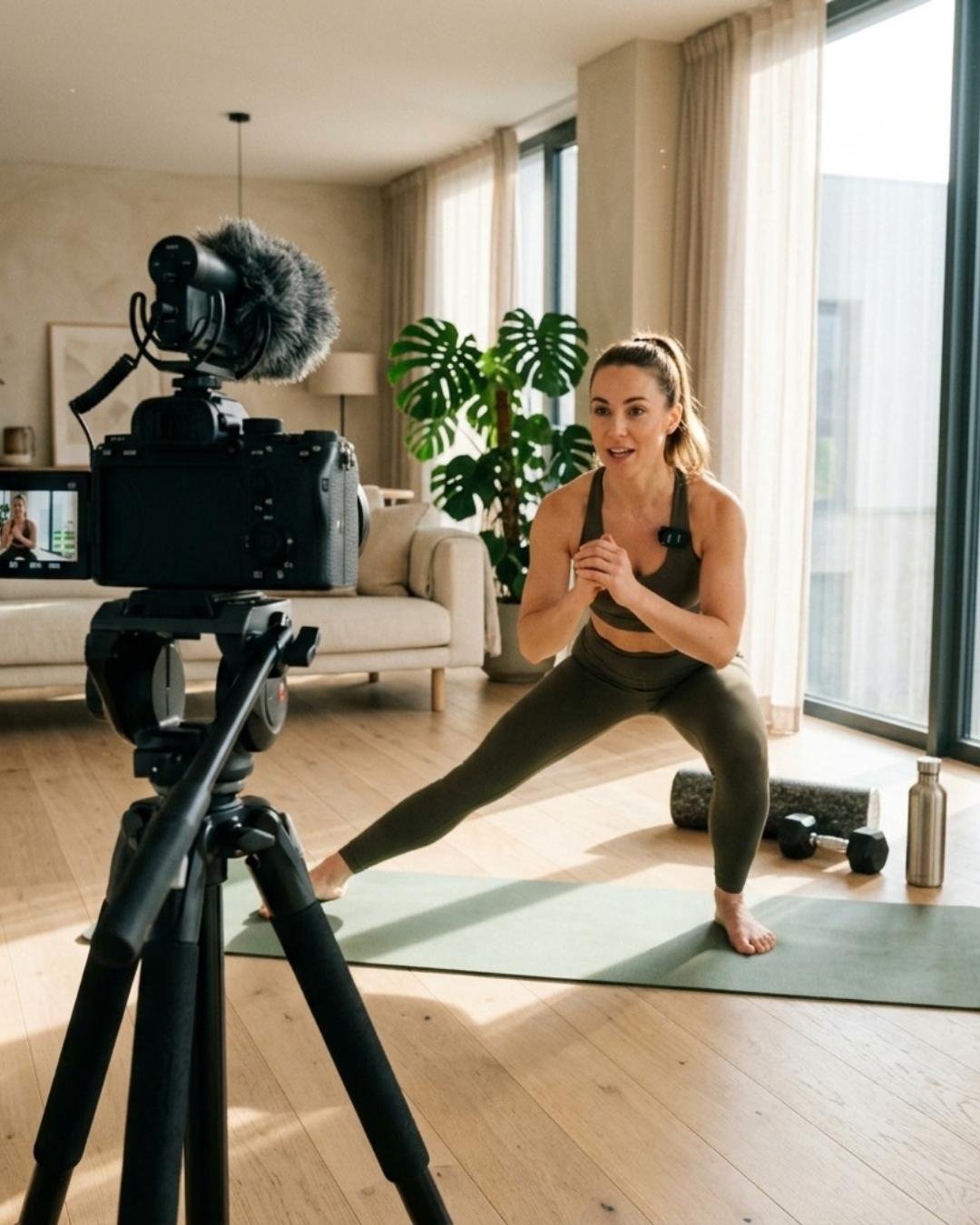
A mat Pilates class takes twenty people, a Reformer class as many as you have machines, a Cadillac duet exactly two. So every class carries its own limit; beyond it, the waiting list kicks in and hands the place to the first cancellation.
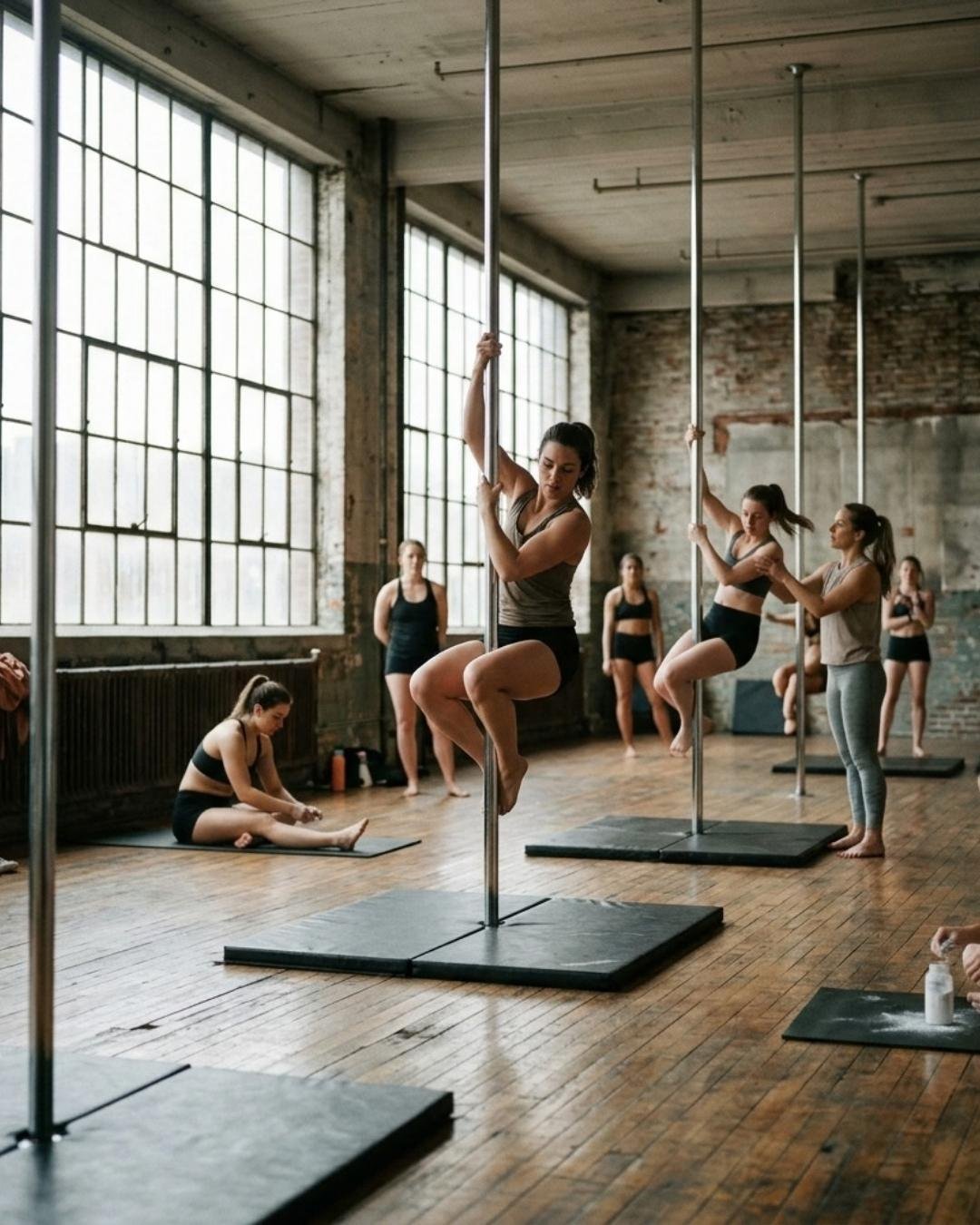
A card of 10, a card of 20, a monthly subscription or a single session: the credit comes off at booking and goes back on if the cancellation respects your notice period. No more stamped cards and no more spreadsheet to keep up to date.
Someone typing "Pilates classes" into Google does not yet know whether they want a mat or a Reformer, a group class or a duet. Give each kind of class its own page rather than piling everything onto the home page: that is how a studio ranks for "Reformer Pilates" or "mat Pilates" and not just for its own name.
The original form, on the mat: body weight as the only resistance, sometimes a ring, a ball or a resistance band. It is the class beginners look for most, the one that fills best — up to twenty people — and the cheapest to put on the timetable.
The carriage on rails and its springs make resistance adjustable and movement guided. It is the class that sells for the most per session, and the one students name explicitly when looking for a studio. Its capacity is your studio's: six or eight machines, not one more.
The large frame of bars and straps, descended from the hospital beds Joseph Pilates fitted with springs. Suspension, decompression, segmental mobilisation: this is the apparatus for precise work, one to one or in a duet, never in a group.
A seat, a pedal, two springs and very little floor space. The work is vertical and demanding on balance and footing. It programmes well as a short workshop or alongside a Reformer class, and it makes a small studio pay.
The half-cylinders that open the ribcage and work extension of the back. Rarely a whole session: more often a station in a circuit, or a "posture and back pain" workshop — an angle that draws searches from people who sit all day.
In a suspended hammock, halfway between Pilates and aerial yoga. The suspension takes the compression off the spine and makes certain inversions accessible. Low capacity, dedicated equipment, its own price: it deserves its own page and its own slot.
Online booking for classes
A capacity that matches your equipment
Class cards and payment
Courses and workshops, deposit included
The equipment says what you use; the approach says how. The approach is what decides the audience, the length and the price — and it is what a student types into Google when comparing two studios in their town. One line on your home page is not enough: each approach deserves to be named.
The method as Joseph Pilates passed it on: a fixed order of exercises, a sustained rhythm, and progress that means moving further through the sequence. It is the most codified approach, and the one experienced practitioners search for by name when they move to a new town.
The same foundation reread in the light of current biomechanics: the order adapts to the person, exercises are modified, breathing is less prescriptive. It is the most common approach in French studios, so it is one to explain rather than simply claim.
Sessions built around a condition or a recovery from surgery, often alongside a physiotherapist. One to one or in a duet, never in a large group. The health questionnaire — history, hernia, recent operation — is filled in online before the first session and waits for the instructor on the student's record.
A class in its own right, with contraindications by trimester and a gradual return after birth. Signing up has to record the due date or the date of birth, not just book a slot. It is also one of the most precise searches you will get: "prenatal Pilates" followed by the name of the town.
Faster sequences, the Reformer set harder, sometimes a little cardio. It draws people who have come for a workout rather than postural work, and it schedules happily before the office or straight after.
The most profitable format per square metre, and the one that demands the most follow-up: this is where the Cadillac and the chair earn their keep. Pricing by number of participants, a session history that follows the student from one class to the next, and slots open to booking like any other.
Plans
Before coming through your door, people look for you online. The queries are short and very local: "Pilates studio" followed by the name of a neighbourhood, "beginner Pilates class", "Reformer near me". Someone typing that compares three or four studios in a few minutes, from their phone. So your site has one simple job: answer their questions before they go back to Google.
Those questions are always the same. Which classes, what times, what level, what budget, and can I book right now? Leave a single answer vague and the visitor is gone. The same information feeds your SEO: it gives Google the real vocabulary of your business.
The journey that works comes down to three moves: find the right class, see a free place, pay. Each extra screen loses a share of your visitors. A contact form is not a booking: it opens an email exchange that you will have to chase between two classes. With a booking system sitting on the class page, the student signs up on their own and you do not find out about their request three days too late.
A Pilates studio website is built page by page, not as a single brochure. Every class, every price and every practical detail deserves its own address. That split is what lets the site show up on different searches, and lets the visitor find things without scrolling for ten minutes.
This is the page people read just before booking. Name your training, your years of practice and your specialisms: pre-natal, post-rehab, seniors. To coach a physical activity for payment, a qualification or a professional licence is required: write it down, it reassures as much as the photographs do. If you welcome under-18s, the instructor is subject to a background check.
A studio's web presence is a local market: people choose somewhere ten minutes from home or from the office. Three pillars are enough: a complete, up-to-date business listing, pages that name the town and the neighbourhood, and content written in the language of your clientele. The best local content is your real timetable, published and kept current, not a dated PDF.
Think about your complementary activities. If you programme yoga, floor barre or posture workshops, give them a page rather than a line: a yoga studio site and a Pilates site do not catch the same searches. To compare the features to expect from a management tool, read our comparison of software for Pilates studios.
Most of your visitors arrive from a phone, sometimes from a tablet sitting at reception. The timetable has to stay readable without zooming, the booking button visible without scrolling, and the pages have to load fast. A heavy site, loaded with decorative modules, costs you sign-ups before it has even been read.
Plenty of studios hand their site to a general-purpose web designer, then graft on a booking module from somewhere else. The result: two timetables, two student lists, and slots sold twice.
These mistakes have one thing in common: all the admin falls back on you. Automated emails — confirmation, reminder, a follow-up after a taster class — turn that tap off without your having to think about it.
You do not have to choose between a good-looking site and a good management tool. We design a bespoke site, thought through and search-optimised for your business, with the online schedule and slots bookable around the clock. Payment goes through at booking via Stripe, limited places, the waiting list and automatic reminders are built in, and the site can carry your identity from end to end.
Behind the shop window, you have bespoke software and an iOS and Android mobile app under your brand, to keep track of your students, their class cards and your one-to-one sessions. Getting started takes a few minutes: the trial is free for 14 days, with no card details. To frame your pages and your budget, talk to an expert or start your free 14-day trial.
The bespoke site is priced on quote, with the build, hosting, domain name and local SEO included: the price depends on your studio and the features you need. Request a quote and we will get back to you quickly. BetterSport takes no commission on your sessions: only Stripe's payment fees apply.
Allow 48 hours between handing over your content — studio photos, timetable, prices, instructor profiles — and going live. The timetable and the class cards work from day one; pages for each type of class are added afterwards without rebuilding the site.
Yes, and that is the heart of it. Every class carries its own capacity: twenty places for a mat class, six or eight for a Reformer depending on your kit, two for a Cadillac duet. Once the capacity is reached, the student joins the waiting list and takes the place at the first cancellation, with no decision needed from you.
Yes: cards of 5, 10 or 20 sessions, a monthly subscription or a single session, each with its own price for mat, Reformer and one-to-one work. The credit comes off at booking and goes back on if the cancellation respects the notice period you have set. One student can hold several cards at the same time.
No: the site and the software are one and the same. The timetable shown to the public is the one you keep internally, and a booking taken on the site lands straight in your diary. Each instructor gets limited access to their own classes — sign-ups, attendance, contraindications — without seeing the accounts or their colleagues' students.
Through local SEO, included with the bespoke site. The principle: one page per type of class rather than a single page, each written for a real search — "Pilates studio" plus the name of your town, "Reformer Pilates classes", "prenatal Pilates". It is that split that gets you found for something other than your studio's name.
Instagram shows your studio off, it does not fill it. Nobody goes there looking for a Thursday lunchtime slot, and nobody pays for a ten-class card there. Your site, on the other hand, works away in Google's results at night and at the weekend. The two go together: the network attracts, the site takes the money.
Yes. A booking widget fits into an existing site, on whichever page you choose, and your students book without leaving your domain. If the site is ageing badly, we would rather start from a fresh base than patch it up.
The taster class is scheduled as a slot of its own, with its own capacity and its own price. Sign-up happens online, the health questionnaire is filled in before the session, and an email then goes out to suggest what comes next. It is the step that lets people try before taking on a longer commitment.
We build the structure and write the pages with you, from your timetable, your equipment and your approach. You stay in charge of the tone: we propose, you correct. On images, your own photographs of the studio are always worth more than stock images, because they show your actual Reformers.