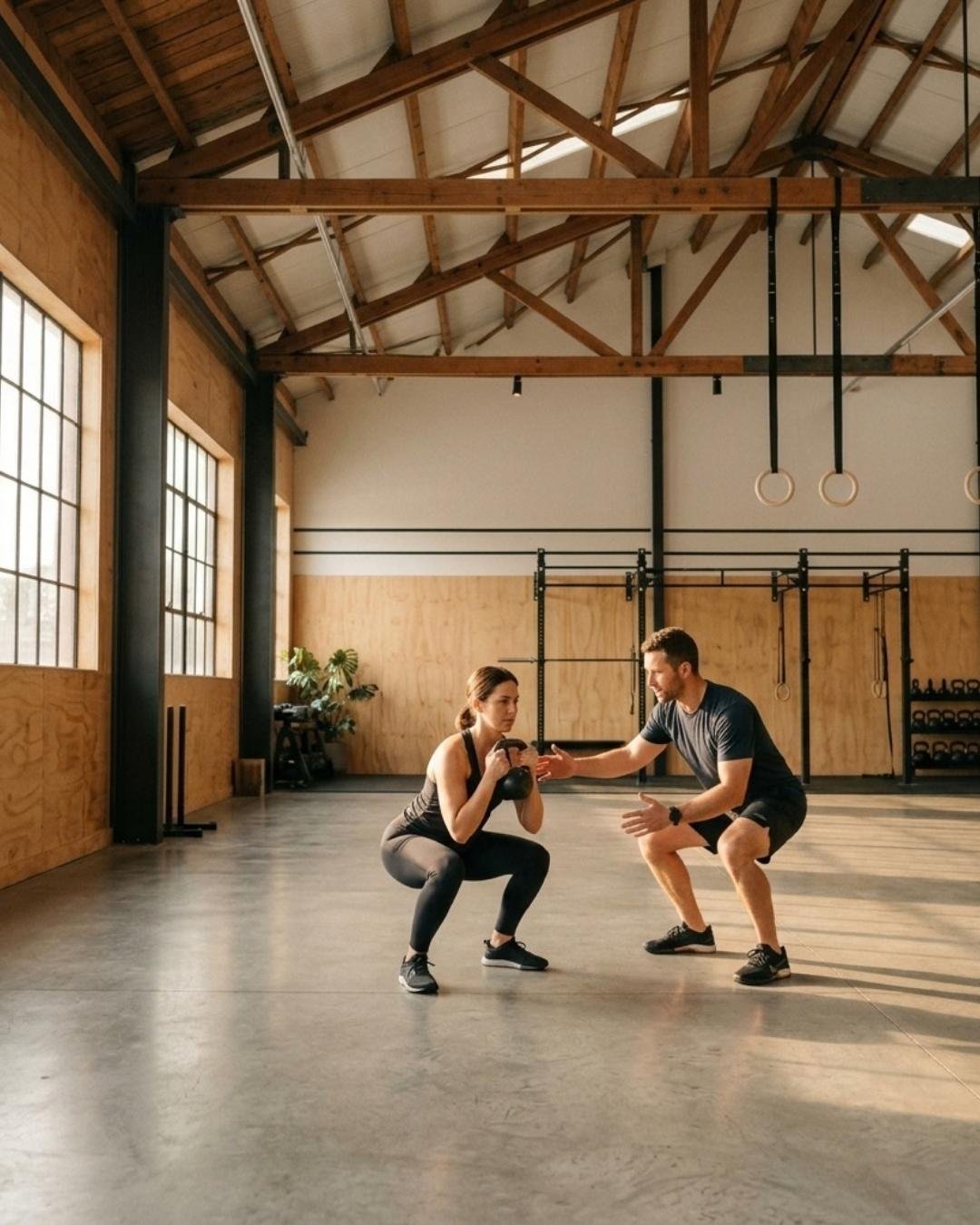
Your shop window online in 48 hours
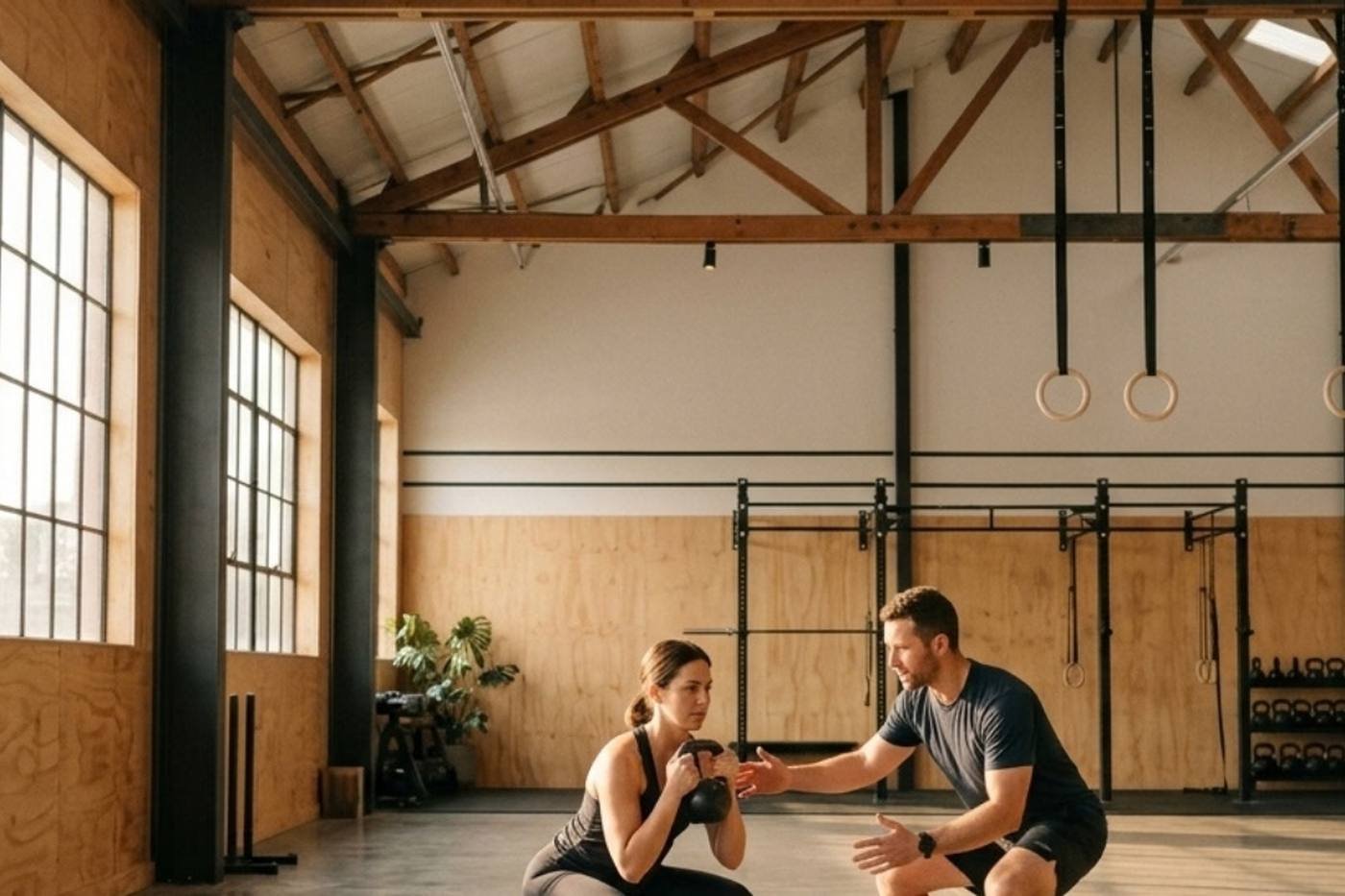
Photos, bio, prices, availability, testimonials: your shop window is live in 48 hours, with booking and payment already wired in.
Someone who finds you on a Sunday evening does not want to send a message: they want to see your prices, pick a slot and pay. Your site handles it without you.
Photos, bio, prices, availability and testimonials. Custom URL, hosting and certificate included — there is nothing to install.
Your clients book from your site, the slots are blocked out in your Google Calendar, and the reminders go out without you.
Pages optimised for “personal trainer” plus the name of your town, a listing in the BetterSport directory, and markup ready for Google.
Independent trainers, strength and conditioning coaches, fitness specialists: the site takes over from the Instagram account as your only shop window.
Your shop window online in 48 hours

In sync with your calendar
Found in your town

Payment taken at booking
Plans
A visitor landing on your page asks three questions. Who are you, what exactly do you do, and how do I book. A useful personal trainer website answers them on the very first screen. The one that opens with a slogan and a generic gym photo loses its reader before the second page.
Nobody searches for "a 60-minute session". People want to get back in shape, to train for a trail race, to start again after a pregnancy, to still be standing at the end of the day. Better to present your work by goal, in your clients' own words. If you specialise in people with specific needs — older adults, pregnant women, returning after injury, nutrition support alongside the training — say so plainly. And if you travel to clients, your home personal training work deserves a page of its own.
Trust is built on specifics. Your qualification or your professional licence, both required to coach for payment. Your insurance. The background check if you coach minors. The medical certificate you ask for, and why. Displaying all this scares nobody off: it establishes a professional image immediately.
Personal training is a local business. The searches show it: people type "personal trainer [town]", "home personal trainer near me", or the name of a neighbourhood followed by a speciality. These queries are local, specific, and they lead straight to someone getting in touch. Your online presence needs to be built for them, not to impress other coaches.
Local SEO rewards consistency more than quantity. Same name, same phone number, same area everywhere. It is one of the few visibility battles where a self-employed coach gets ahead of a national chain. We set out how it works in our article on a coach's visibility on Google.
The Google listing makes you findable. The site makes you choosable. A prospect often compares two or three coaches side by side, all from the same search results. The one who shows their prices, their available sessions and a readable background wins that comparison, even without being listed first.
This is where most personal trainer websites fail. The visitor is convinced, and then they are asked to write a message and wait. Every hour of delay cools the urge, and off they go to compare. Making it easy to book means removing that wait.
A form creates work for you and frustration for them. You have to read it, reply, offer times, wait, confirm, then chase the payment. Online booking does all of that without you. Your availability is on show, the client picks a slot, and the slot is held.
Our booking system does exactly that job, connected to the site from the day it goes live. The automated emails then take over: confirmation, a reminder before the session, a follow-up to a client who has not been back for two months, a campaign to announce a new Saturday slot.
The question of what it costs depends above all on the model you choose. A bespoke development billed once needs a high up-front budget, then maintenance. A general-purpose website builder costs less, but booking, payment and reminders still have to be plugged in, often by stacking up paid add-ons. A platform built for the trade includes the lot from the start. Compare over three years, not on the first quote.
An article that answers a real question — how to get back into sport after forty, what warm-up to do before a strength session — ranks month after month, and your clients are happy to share it. A two-minute video shows how you correct a movement better than three paragraphs can. This material is your cheapest acquisition channel. If you are just starting out, our complete guide to becoming a personal trainer covers the rest: legal status, training, first clients.
You are not buying yet another shop window. You are installing the tool that fills your diary. We design a bespoke site, planned and search-optimised for your business, with the online schedule, the booking, limited places, the waiting list and Stripe payment already in place. The automated emails handle confirmations, follow-ups and campaigns.
Beyond the site, you get bespoke software and an iOS and Android mobile app under your own brand. Your clients book from their phone, you run your business from yours. Less admin, less chasing, sessions that actually happen.
Getting started is simple. You describe your business, your specialities and your formats; we build the structure, the local pages and the booking journey; you sign off the copy and the photographs. You can talk to an expert to frame the project, or start your free 14-day trial with no card details and test the booking with your own sessions.
48 hours on average. You fill in your details, pick a template, and the page goes live with your custom URL.
No. Everything is done from your dashboard: text, photos, prices, availability. No plugins to install or update.
Yes, from the Plus plan onwards. You can also stay on a bettersport.app address, which is indexed just the same.
Not to book and pay. An account is only useful for looking back at past sessions.
Yes: pages optimised for your activity and your town, structured markup, and a sitemap generated automatically.
Your page is unpublished and your data stays exportable for 30 days. No commitment, cancel in one click.
Yes. Coaching physical activity for payment requires a recognised qualification and a professional licence. Your website changes nothing about that, but it is the right place to display your qualification, your insurance and, if you work with minors, your background check. Treat it as a trust argument, not a formality.
Yes. If your site suits you, you can embed a booking widget in it and leave the rest as it is. Your visitors book and pay without leaving your page, and the sessions appear in your diary. You can move to a full site later if the need arises.
A few solid pages beat a lot of empty ones. One page per genuinely distinct speciality and one page per town where you really work are enough to start with. You add more as you grow, when you have content, reviews or photographs to put on them.
Yes. The site is the shop window; behind it you find your clients, the history of their sessions, their payments and their instalments in the same tool. That is what saves entering everything twice across a diary, a spreadsheet and a payment app, and what leaves you time for the actual coaching.