The training log on the phone
In strength training, clients do not judge the session: they judge the bar. Your page and your follow-up have to show the weight going up, week after week.
People drop out in the third month, when progress slows. What holds them at that point is seeing how far they have come.
Every set entered, every load recorded. At a glance, the lifter sees what they did last week — which is the precondition for progressive overload.
Bench press, squat, deadlift: one curve per movement, across months. It is the strongest renewal argument in the trade.
Your hours at the gym are displayed and bookable. No more message threads to pin down a Tuesday evening.
A programme built once is reassigned in three clicks, with loads adapted to each person. You write a method, not fifty files.
The training log on the phone
A curve per exercise

Gym slots, bookable

Reusable programmes
The searches in this trade are specific and concrete: "muscle gain programme", "strength coach for beginners", "full body programme 3 times a week". These are goals, not services.
A page answering a specific goal ranks better than a generic "strength coach" page, because it matches exactly what was typed.
Say what you do not do, too. A coach who refuses performance-enhancing drugs and says so wins the clients looking for precisely that.
The quick return. A video of a squat sent on Sunday, corrected on Monday: this is the service we pay for, and it does not consume any slots.
Nutrition, with caution. Nutritional advice is supervised; a coach is not a dietitian. Saying where your role ends protects you and your client.
The injury. Anticipating the question on your page – pain, adaptation, referral to a physiotherapist – avoids awkward silences and shows seriousness.
Building a weight training coach's website does not start with the choice of colours. It starts with a simple question: what must a stranger understand in ten seconds? Who you coach, where you work, what a coaching package contains, and how to book a first session. A website is not enough on its own to grow your business, but without one every client depends on word of mouth and on whether you can pick up the phone.
Each page aims at one thing only. An adult who wants to get back in shape does not have the same questions as a lifter preparing a max squat. By separating your offers, your message becomes clear and you give Google distinct pages to rank: that is the bedrock of SEO for a personal trainer's website. A catch-all page, by contrast, answers nobody precisely.
A web project rests on three unspectacular building blocks. A domain name in your own name, which you keep whatever happens. Fast hosting, because a slow page loses its visitors before it is read. And a flawless display on a phone, since that is where almost everything is decided. At BetterSport your site is bespoke, designed and search-optimised for your business: no theme to tinker with, no updates to keep an eye on.
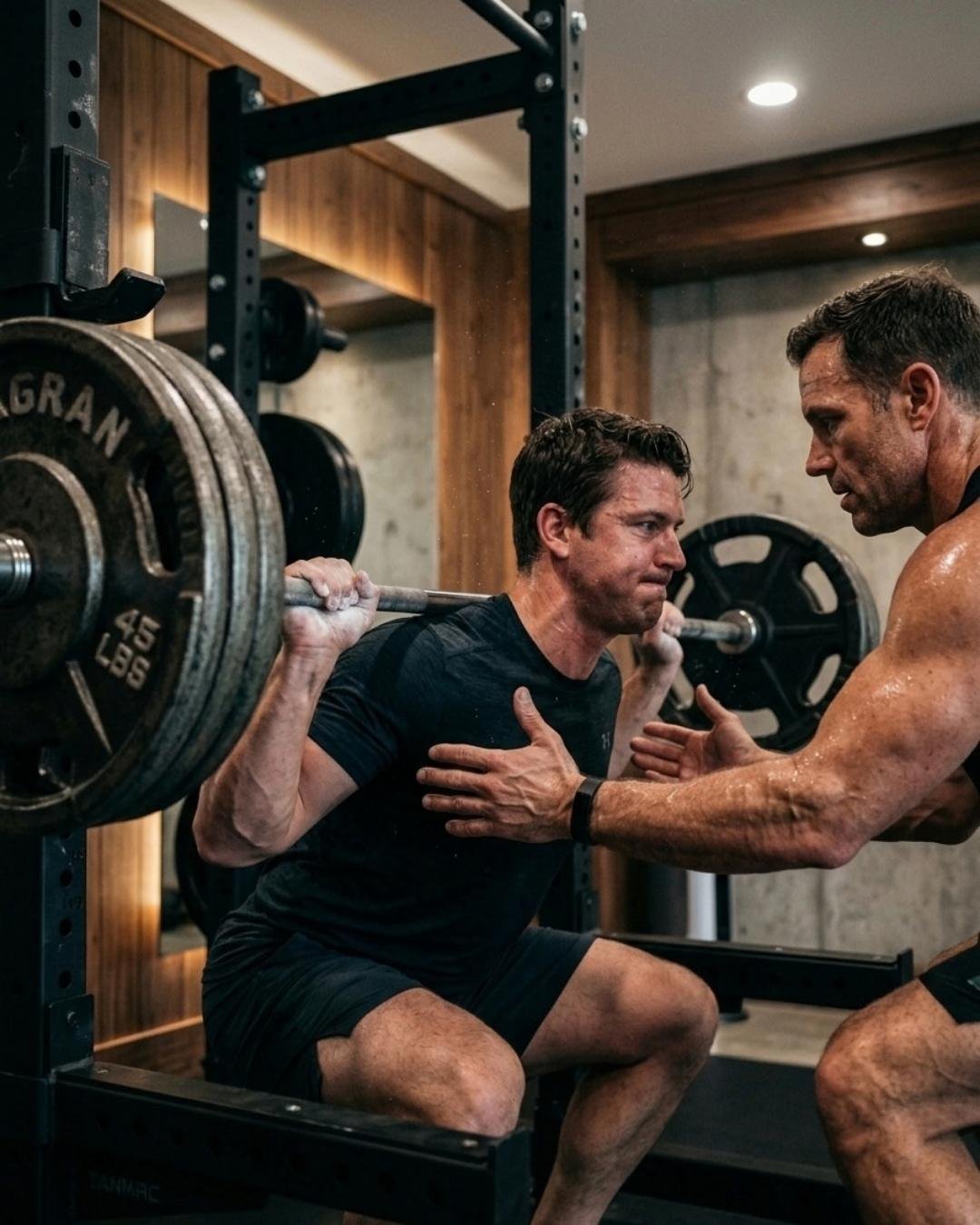
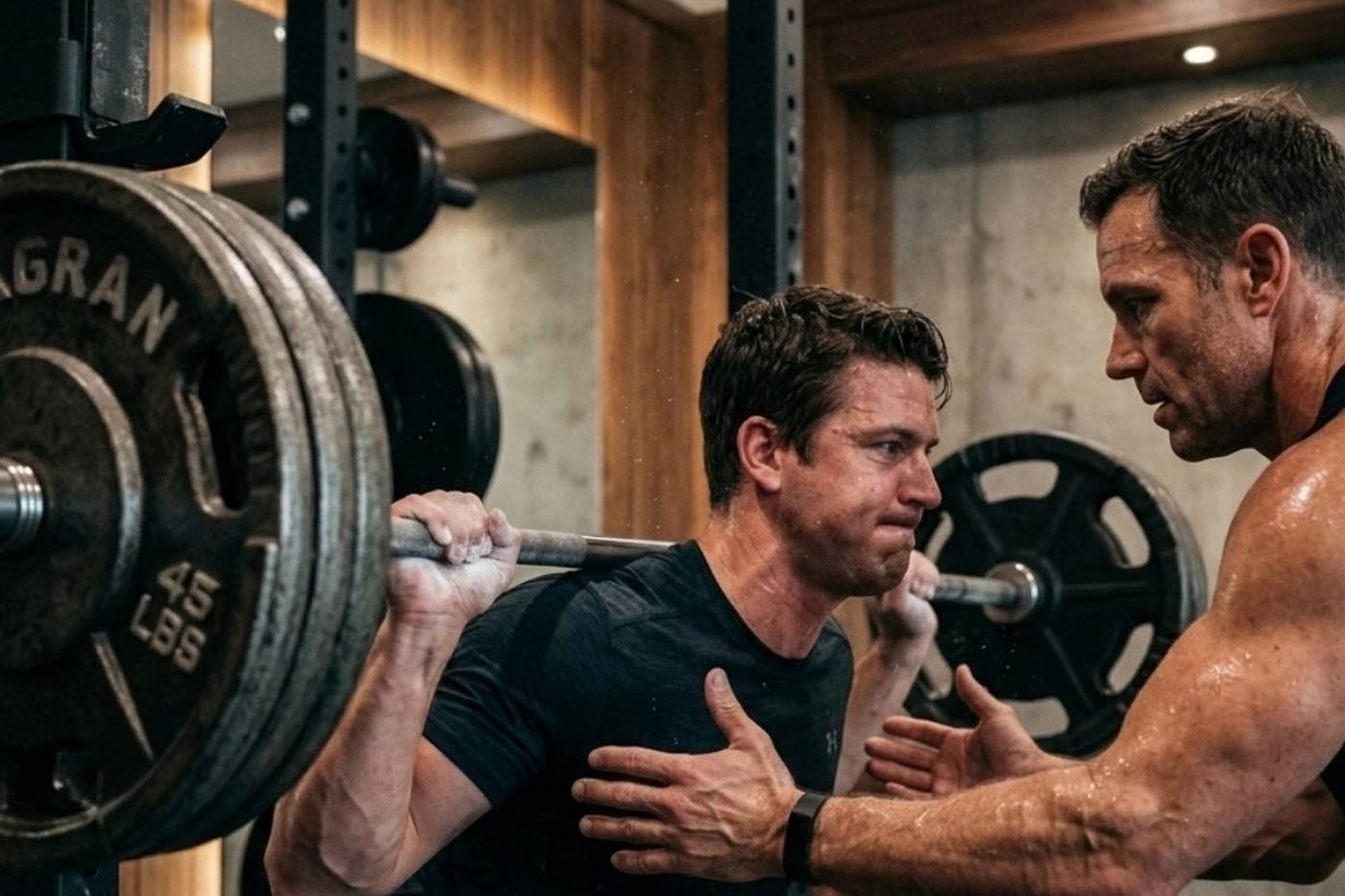
Your visual identity is not a logo on a black background. It is a coherent whole: photos of your real sessions, a typeface that reads, a restrained design that leaves all the room to the proof. Show your results — a cycle built out, a load curve, a before-and-after the client agreed to make public. Three accurate images beat fifteen stock library visuals.
Nobody types "hypertrophy expert". People type what they feel and what they want to get. The searches fall into three intents, and your content has to answer all three without mixing them up.
Those three intents call for three families of pages. The goal page explains the method and reassures. The local page says where you work and shows your availability. The offers page puts them side by side, without jargon. To dig into the mechanism, our guide on the search-optimised website for a personal trainer sets out what Google really looks at.
Most personal training enquiries are local: people look for a coach where they train. So name in your headings the town and the gyms where you actually work, and create one page per area you genuinely cover — never one page per invented postcode. Fill in your Google business listing, with the opening hours and a direct link to online booking. And finally, ask for a review at the end of every cycle: it is the easiest signal to produce and the hardest to fake.
Publishing one article a week is not sustainable when you are running sessions back to back. Write ten solid pages instead: deadlift execution, a beginner's progression, what to do about a sore shoulder, what you refuse to offer. That foundation keeps working for months and attracts prospects who are already half convinced. If your practice goes beyond classic weight training, our neighbouring pages cover the Fitness website and the Weightlifting & powerlifting website.
A site that people like but that fills nothing is a decorative site. The difference between visitors and clients often comes down to three clicks: see a slot, choose it, pay for it. Every extra form field costs appointments, and every answer the reader has to wait for gives them time to look elsewhere.
What changes day to day is the time you get back. Sessions fill up with no exchange of messages, payments arrive without chasing, and the admin comes down to a quick check. If you already have a site, the booking widget slots straight into it; if not, the booking system comes built into the site we build for you.
The last line deserves expanding. Coaching for payment requires a qualification or a professional licence, and working with minors involves a background check. Writing that you are compliant, insured, and that you ask for a medical certificate where necessary is not paperwork: it is your expertise made visible. A lot of families and members choose on precisely that.
Another common failing: wanting to optimise everything in the first month. Five accurate pages and a clean booking funnel are worth more than thirty lukewarm ones. A sound foundation lets you build on it afterwards, at the pace of the requests you actually receive.
You are not buying a shop window, you are installing a tool that works while you are coaching. Your personal trainer website is bespoke, designed and search-optimised for your business, and it is connected to the software that handles your clients, your programmes and your slots. The same account gives you an iOS and Android mobile app under your own brand: your lifters log their loads without ever leaving your world.
Digital is not your trade and does not have to become one. We take care of the domain name, the hosting, the design and the search optimisation; you write your method and you coach. New clients then arrive through a clear page rather than through a thread of messages. Two ways to start: talk to an expert, who will look at your project and your offers, or start your free 14-day trial, with no bank card, long enough to put your first page together and open up your slots.
Yes, session by session from their phone. You see the numbers without having to ask.
Yes. The programme is a template: reassign it and adjust the loads, without rewriting it.
As a fixed-price service, delivered immediately after payment, with no slot to block out.
Yes, on the client record, with a dated history. Photos stay private and are never published.
Yes, with free tools — and you pay for it another way: an address on a subdomain, crippled search visibility, no booking, no payments. At BetterSport the trial runs for 14 days, with no bank card: you put your site together, you open your slots, you decide afterwards. Whatever you built during the trial stays in place.
Yes, and it is decisive. People almost always type their town or their neighbourhood after the word "coach", and a page that says nothing about its area does not come up. Name the gyms where you work and the neighbouring towns you genuinely cover, then repeat that information in your Google business listing.
No. You change your copy, your photos, your prices and your slots from your own account, the same way you fill in a client record. The code, the server and the fixes are on our side.
Start with your method, written in black and white: how an assessment goes, how you build a cycle, how you follow a client between two sessions. Add your qualifications, your insurance and a bookable taster slot. The first reviews and the first pictures will come from your first clients, and you will add them as you go.