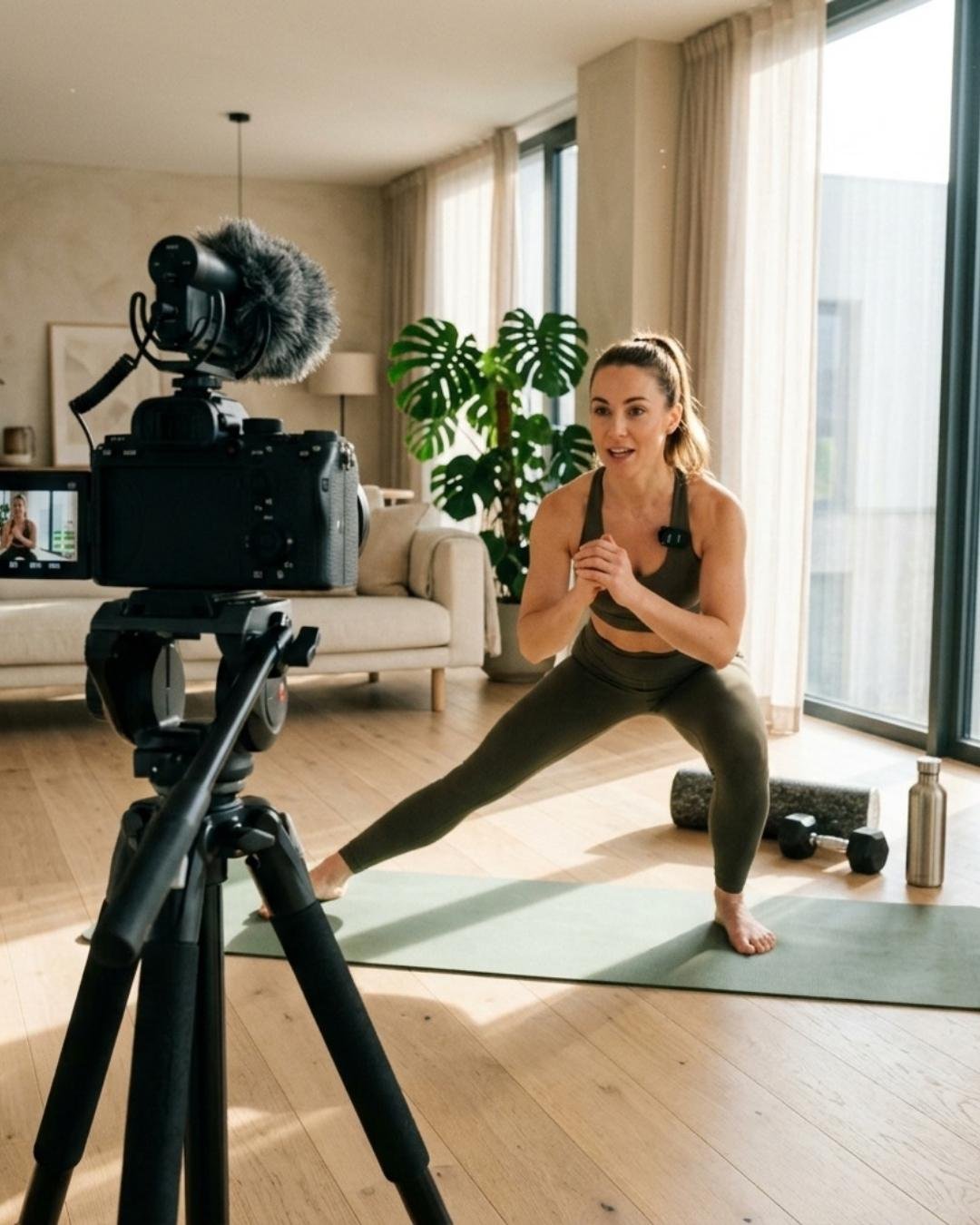
A schedule by style of practice

Vinyasa, hatha, yin, prenatal: that one word decides whether someone comes. Your page has to say it first, and let them book straight away.
A style, an atmosphere, a time — and the certainty of not landing in a class that is too advanced.
One class is not the other. Tuesday's vinyasa and Thursday's yin attract different people: each has its own description, intensity and places.
The class card remains yoga's format. The balance is visible to the student, deducted at booking, and does not get lost like a stamped card.
A mat takes up space. The class closes at the capacity you set, and the waiting list notifies as soon as a place frees up.
A weekend or a week abroad books with a deposit and a balance. Two instalments, two payments, no spreadsheet.
A schedule by style of practice
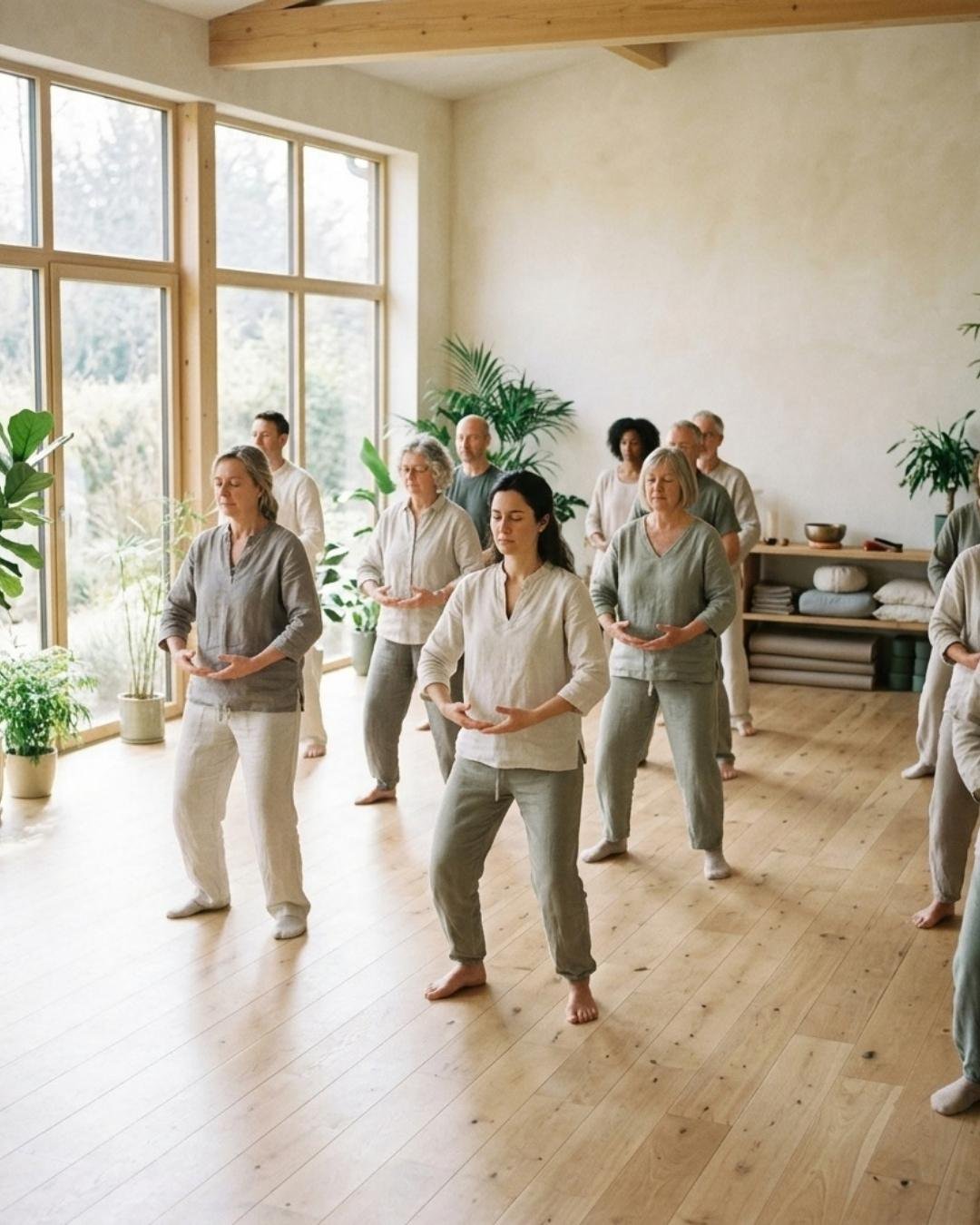
Ten-class cards and memberships
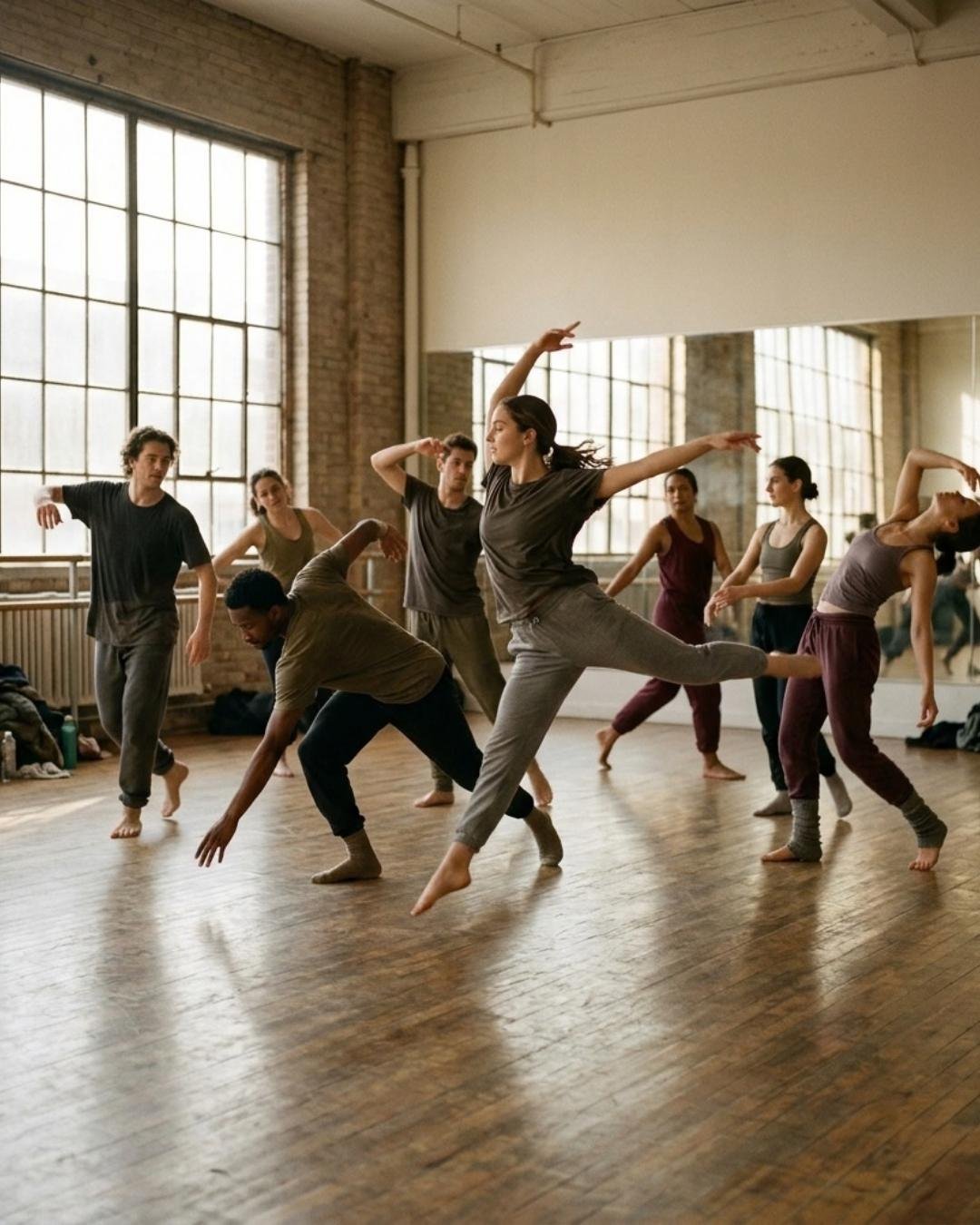
Genuinely limited places

Workshops and retreats, with a deposit
Competition on "yoga classes" is overwhelming. What can be won are the specific searches: "prenatal yoga", "yin yoga", "yoga for beginners", each followed by a town or neighbourhood.
A page per style taught beats a page listing them all. It matches exactly what was typed, and it reassures: someone looking for yin definitely does not want to land in a vinyasa.
Write what to bring, whether mats are provided, and whether beginners are welcome. Those three questions come in every first message.
Status. Yoga is not an activity subject to a professional sports card in the same way as bodybuilding, but paid teaching requires registration and professional liability insurance.
Variable audiences. Prenatal, seniors, post-injury: announce your specific training. That's what those involved are looking for, and that's what protects you.
Retreats abroad. Selling a stay including transport and accommodation is subject to travel regulations. Going through a partner agency avoids a costly problem.
A visitor arrives with a simple question: is this class for me? The essential content fits into a few blocks — the practices taught, the timetable, the packages, a button to book. Put them on the first screen, before your biography. Those who already know you know who you are; the others mostly want to check that they will fit in.
Photographs count as much as texts. Two or three videos a few seconds long show the way you teach better than a long paragraph on the benefits of the practice. Photograph the empty room, the light, the mats laid out in a row: that is exactly what your future student is trying to picture. The reasoning is the same for a Pilates website, where the atmosphere of the place decides as much as the techniques taught.
Most searches start from a need, not a name. People type a practice and a place, sometimes an audience or a time of day: gentle yoga, morning yoga, yoga for back pain. Use those words exactly as they are typed, in your headings as well as in the body of your pages. It is that search optimisation work that brings you clients you have never met.
A complete Google business listing does a large part of the work: address, real opening hours, recent photographs, a link to your timetable. Ask for a review after the first few classes and take the time to reply, even in two lines. Then list your studio in the directories for the discipline; the guide search optimisation for a personal trainer's website sets out which ones are worth the effort. A site that is fast, readable on mobile and kept up to date completes the picture.
Structure counts as much as content. Group your pages by practice, then by audience, and link them to one another rather than piling everything onto the home page. Each page then ranks on its own search, and the whole site gains in clarity for the reader as much as for Google.
A project starts with a brief: your practices, your sessions, your packages, what you want to sell online. Then comes a mock-up approved together, screen by screen — colours, typography, photographs, the tone of the texts. Going live follows, with the domain name, hosting and security certificate included. Allow a few days between approval and the site actually going live, depending on the volume of content to prepare.
Choose a short name, one that can be said over the phone, taking your own name or your studio's. Avoid strings of hyphens and words nobody spells right first time. The domain stays yours: it follows you if your business changes form or location. Backups and maintenance, on the other hand, are not your job.
Ask for a written quote that states the number of pages, what the design covers and who writes the texts. Above all, check one point: who makes the changes after the site goes live. A yoga website moves constantly — a session shifted, a course to announce, a photograph to replace. If every tweak means a phone call and a week's wait, you will never keep it up to date. To compare the management features you should expect, see our comparison of yoga studio management software.
BetterSport designs a bespoke site, thought out and search-optimised for your activity: your practices, your audiences, your packages. The site is not a shop window sitting next to your management tool, it is the same object. The online schedule feeds the public timetable, and your sessions stay bookable around the clock, including while you are teaching.
The booking system handles the capacity, the waiting list and the automatic reminders. Online payment by Stripe collects at the time of booking: no more chasing, no more forgotten envelope. Confirmations, follow-ups and campaigns go out by email without you giving them a thought. On top of that come bespoke software and an iOS and Android mobile app carrying your brand.
Getting started takes little time: we frame your needs, we prepare the structure of the pages, you approve it, we put it live. The trial lasts 14 days, with no card details, and you can show your full timetable from day one. Talk to an expert about your project, or start your free 14-day trial.
Yes. The balance is deducted at each booking and stays visible to the student on their phone.
As two services: the deposit books the place, the balance is paid before the date. Both appear on the same invoice.
Yes, and it is indexed by Google. An account is only asked for at the point of booking.
Yes, with the link sent at booking. Many teachers keep one online slot for students further away.
The timescale depends mostly on you: texts, photographs and the list of classes. Once those are gathered, the design and going live follow on within a few days. You approve the mock-up before publication, never after.
Either is possible. You supply your words and your images, or we write the content from the brief and you correct it. In every case, nothing is published without your read-through.
Yes, the domain is registered in your name. Hosting, the security certificate and backups are covered by the subscription, and you have no server to manage.
Yes, from your dashboard, without going through a developer. A session added, a capacity changed or a new package appears on the site and in the app straight away.