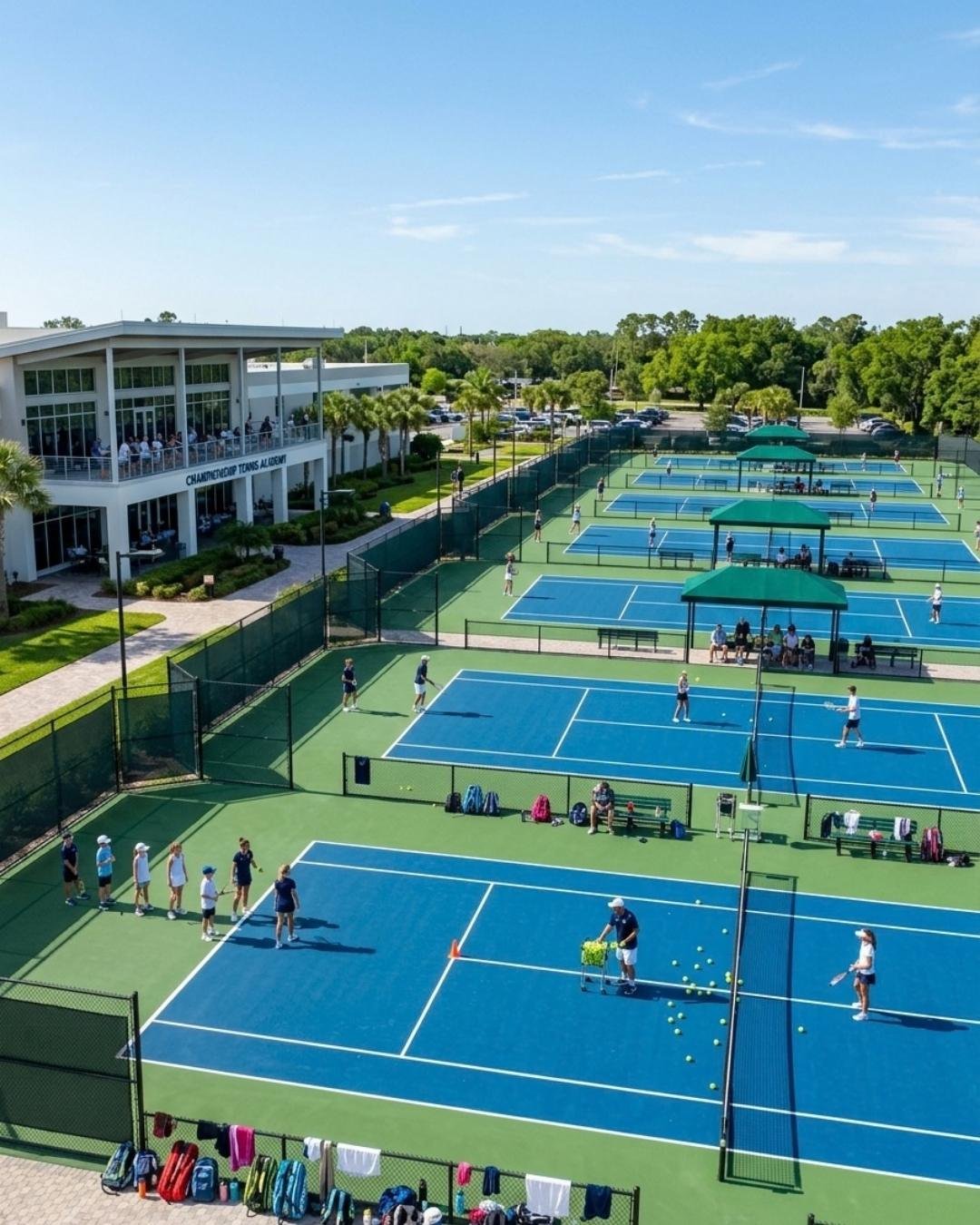
Courts bookable by members
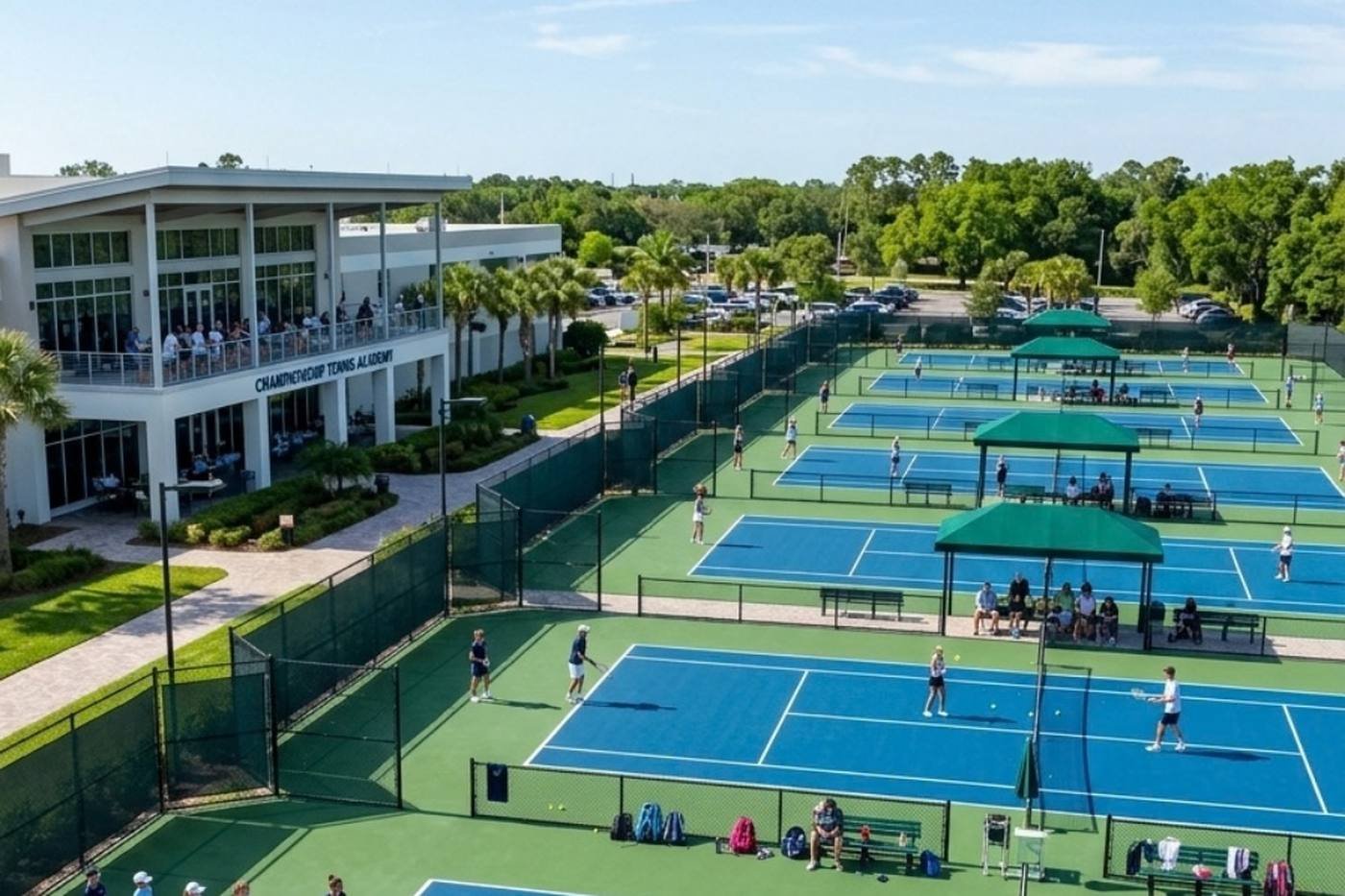
A tennis club sells two things: an annual membership, and access to courts booked by the hour. Both have to live on the same website.
Licensed members, courts to allocate, a tennis school with its groups, and sanctioned tournaments.
Clay, hard, indoor: each court has its own hours and rules. A member books their hour without going through the office, and the limit on simultaneous bookings applies by itself.
Mini tennis, junior programme, teenagers, adults. Each group has its slot, its capacity and its price, and parents find their child's without phoning.
The licence governs insurance and competition entry. Expiry dates sit on each record, so you can see who must renew before the tournament.
Online registration, limited places, immediate payment. Holiday camps are a significant part of the budget and fill up six weeks ahead.
Courts bookable by members
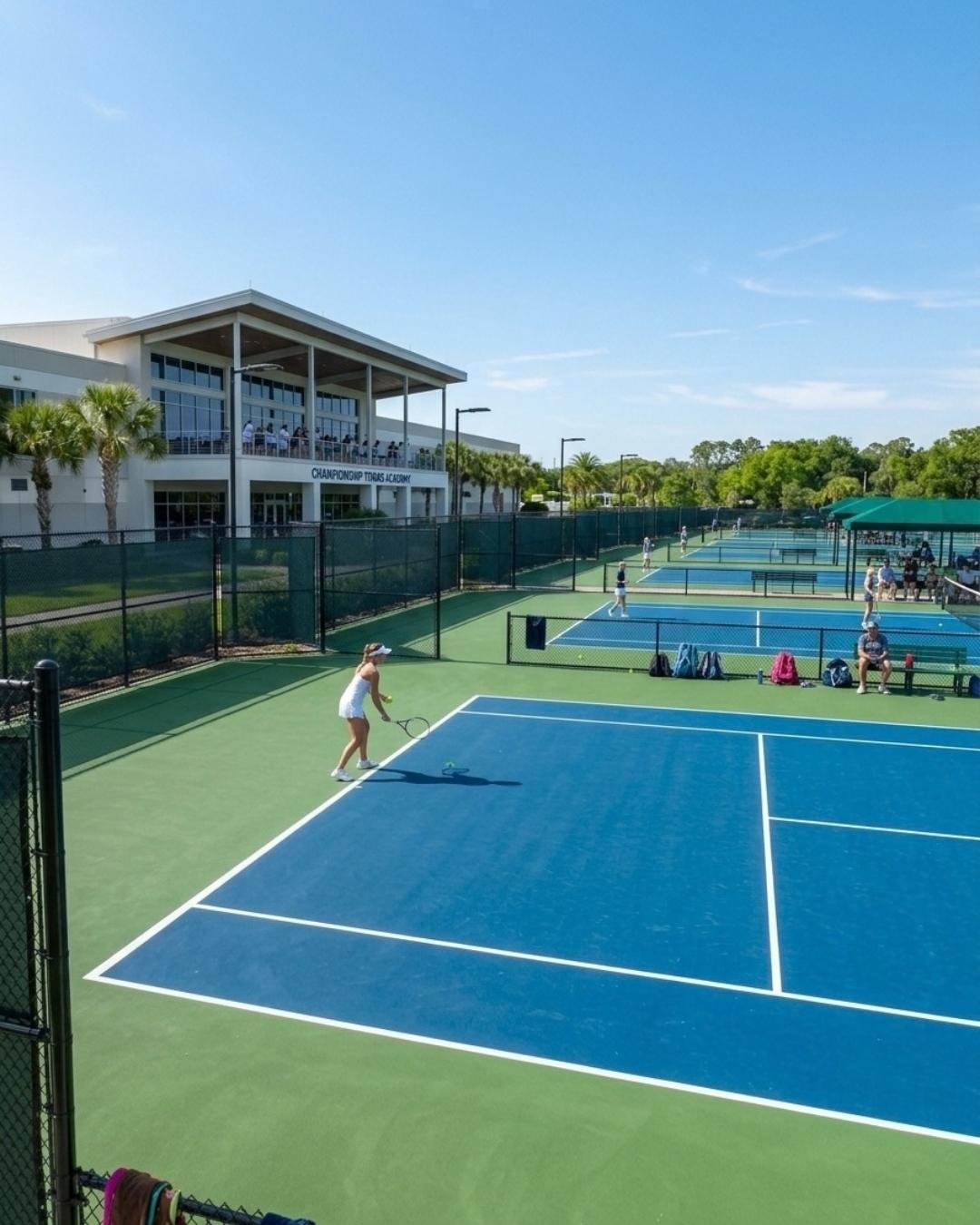
The tennis school, by ability group

Licences and certificates tracked
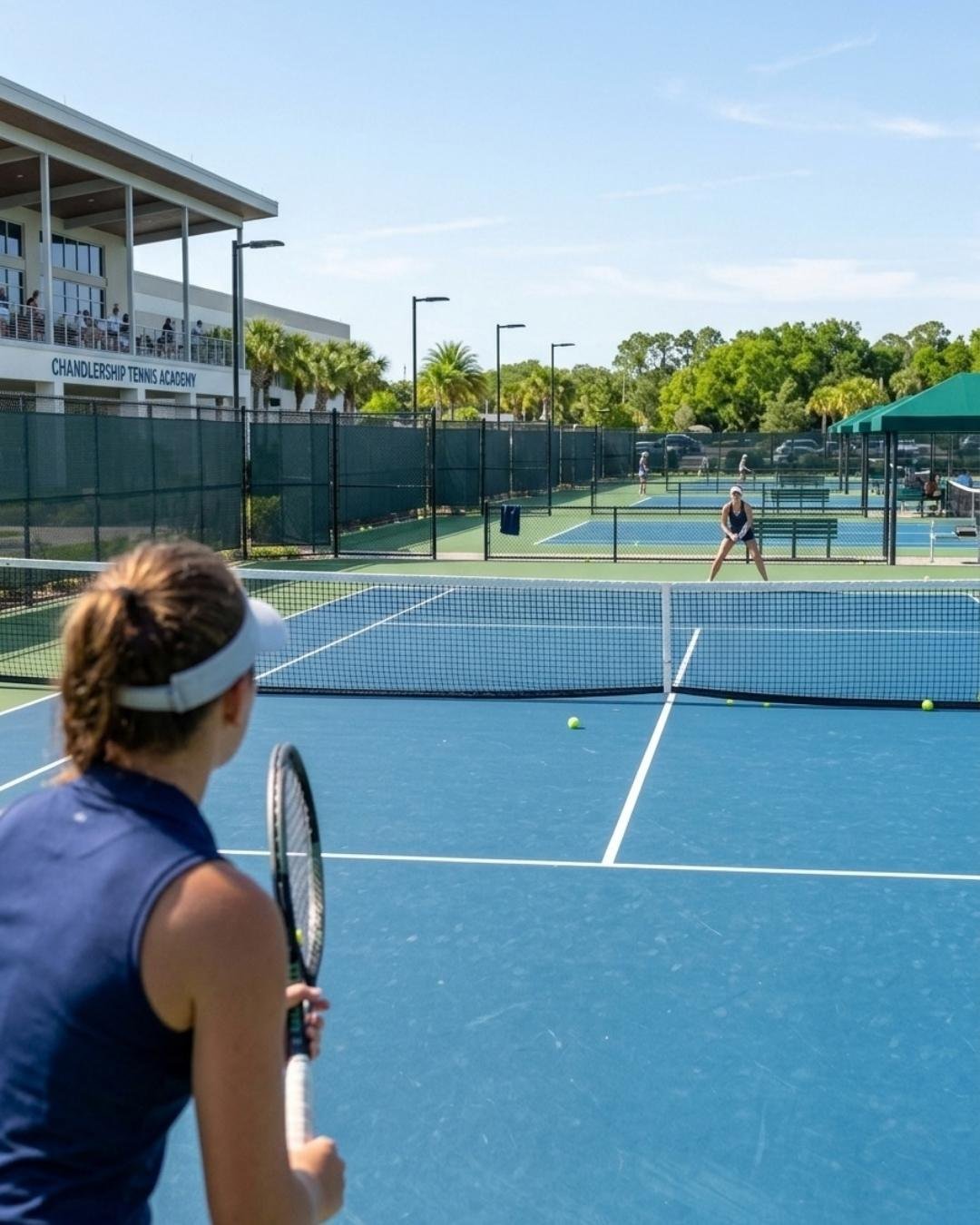
Tournaments and holiday camps
Two audiences, two searches: families type "tennis school" or "children's tennis lessons" plus the town; independent players look for "tennis court hire" or "tennis club" plus the neighbourhood.
Many club websites show neither membership prices, nor school timetables, nor court availability. Stating them plainly is often enough to take the position, with no advertising budget.
Say how many courts you have, which surfaces, and whether any are indoor: that is what decides between two neighbouring clubs, especially from October to March.
The office is not customer service. A court reservation handled by telephone consumes volunteering; online, it costs nothing.
The federal license covers insurance and opens the official competition. Its cost is announced with the contribution, not afterwards.
The supervision of minors requires checks on the integrity of all supervisors, whether employees or volunteers.
Building a club website comes down to one simple question: what is the person who has just landed on it looking for? A parent wanting to sign their child up, a visiting player, a member in a hurry to book a court: three visits, three different needs. Your home page has to lead to one of those three answers in a single click, without an endless menu. The rest of the content can wait for the second visit.
These pages make up the backbone of the site. They fill out over the year as results, call-ups and news are added. A booking system connected to them saves you saying the same thing twice: the sessions shown are the ones still free, in real time.
Nobody types "tennis club" on its own. They add a town, a neighbourhood, sometimes "near me". Google then cross-checks three sources: your business listing, the information on your site, and what other sites say about you. All three have to tell the same story: same name, same address, same opening hours.
Search visibility is not a setting you switch on once: it is content kept up to date. One new page published each quarter is worth more than a redesign every five years. If your club also hosts other racket sports, a dedicated page on the padel club website picks up demand that tennis alone does not cover.
The first is the site stuck on last season. An out-of-date price or a wrong academy timetable does more than irritate: it pushes the visitor to pick up the phone, or not to call at all. Either way, the volunteer loses twice over.
Between the visit and the sign-up, every extra step loses people. A member who wants a court the same evening should not have to create an account over six screens: a few fields, a slot, a payment through the site, and that is it. Payments go through Stripe at the time of booking, which settles the question of forgotten cheques.
After that, the site works on its own. Confirmation sent, an automatic reminder before the session, and a place freed up and offered to the waiting list when somebody drops out. You can send your campaigns and follow-ups from the same tool, without exporting a single list. To go further, this guide to tennis court booking sets out how it all works.
BetterSport does not hand you a template to fill in. We build a bespoke site, designed and search-optimised for the way a tennis club works, with the online schedule and sessions bookable around the clock from day one. Booking handles limited places, the waiting list and automatic reminders; payment is taken through Stripe at sign-up.
Behind the site you get bespoke management software and an iOS and Android mobile app in the club's own branding. Users find their bookings, their instalments and their payments in one place, and your volunteers stop dealing with all of it over the phone. If you are happy with your current site, you can embed just the booking widget.
The quickest way to get your club site set up is to talk it through: describe your courts, your groups and your calendar, and we will tell you what is feasible and in what order. You can talk to an expert or start your free 14-day trial, with no card details.
Yes, within the limits you set: number of simultaneous bookings, duration, and hours reserved for lessons.
One group per ability and age, with its capacity, its slot and its annual price.
Yes — the date sits on the member's record, and approaching expiries surface ahead of competitions.
Yes, as a limited-capacity service running over several days, with payment on registration.
It depends above all on your content: copy, photos of the courts, prices for the season. The technical side is already in place. Clubs that have gathered those pieces are up in a few days; those waiting for a board decision take longer.
No. A social network reaches the people already following you, not the person looking for a club tonight. It offers no booking, no payment and no member record, and you do not own the data. The two work together: the site takes people in, the network passes the word on.
Yes. The widget slots into an existing page and opens up your schedule without a full redesign. It is often the step clubs choose when they want to try it out before changing site.
You do, with very little to do. Adding a session, a group or a price is done from the admin area, without touching any code. Sign-ups, payments and follow-ups run by themselves; your team mainly steps in to publish results and club news.